If you’re approaching embryo transfer, this question is probably playing on repeat in your mind—does embryo transfer hurt?
After weeks of injections, scans, and procedures, it’s only natural to worry about the final step of IVF.
Here’s the honest answer upfront: embryo transfer is usually painless.
Let’s go over what really happens, what you could feel, and how this phase fits into your IVF conception journey. Don’t be scared or confused.
What Is Embryo Transfer in IVF?
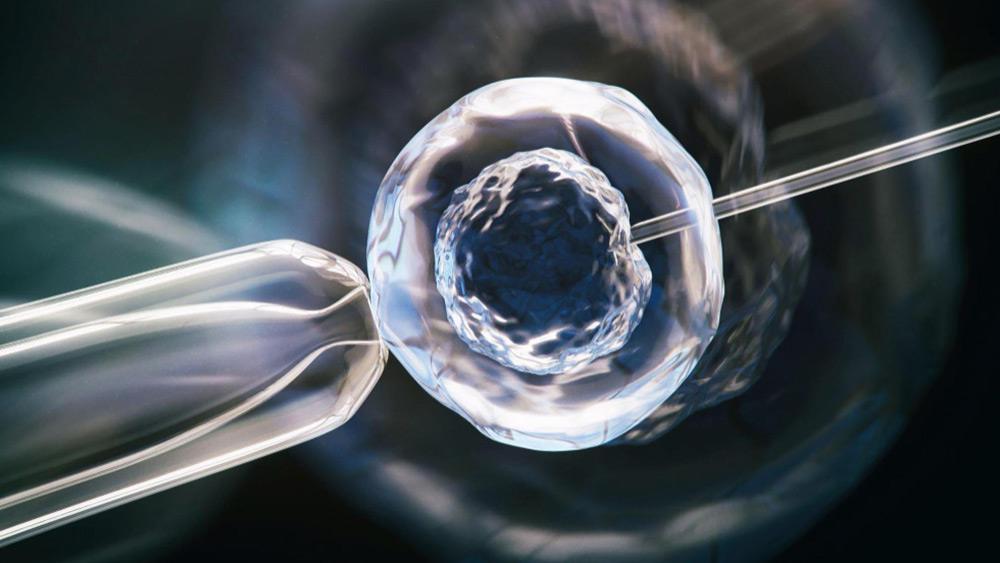
The last step in IVF is to place a healthy embryo into the woman’s uterus so she can get pregnant. Three to five days after the eggs are taken out and fertilized, this is done.
- No surgery.
- No anesthesia.
- No hospital admission.
And yes—that surprises many people.
Does Embryo Transfer Hurt?
This is the most searched question—and for good reason.
The procedure is very similar to a Pap smear or internal ultrasound. A small, soft catheter is carefully pushed through the cervix to put the embryo inside the uterus.
How you might feel:
- A little pressure
- A small feeling of fullness
- A little pain for a few seconds
- What you won't feel:
- Pain that is sharp
- Cramping like when you get an egg
- Any feeling of the embryo being put in position
If you’re worried about embryo transfer pain, you should know that this stage is typically said to be the simplest portion of IVF when it comes to the body.
Why Is No Anesthesia Needed?
Embryo transfer is a gentle, non-invasive procedure. Using anesthesia would actually make it more difficult, as a relaxed but responsive uterus is ideal.
The entire process usually takes 5–10 minutes.
Most patients walk out of the procedure room smiling and slightly relieved.
What Happens Right After Embryo Transfer?
Once the embryo is placed:
- You may be asked to rest for 10–20 minutes
- You can usually go home the same day
- Normal activities can resume, with a few precautions
Some women notice:
- Mild spotting
- Light cramping
- A sensation of heaviness
The Emotional Side of the Final IVF Step
This is the moment many couples have been waiting for. Hope, fear, excitement—all at once. The “two-week wait” after transfer can feel longer than the entire IVF cycle.
Here’s the truth many patients need to hear:
Your job now is simple follow instructions, take prescribed medications, and take care of yourself.
Do’s and Don’ts After Embryo Transfer
Do:
- Take medications exactly as advised
- Stay hydrated
- Maintain light, normal activities
Avoid:
- Heavy exercise
- Extreme physical strain
- Constant symptom-checking (easier said than done)
Bed rest is usually not required unless specifically advised.
When Should You Call Your Doctor?
Contact your fertility team if you experience:
- Severe abdominal pain
- Heavy bleeding
- Fever or signs of infection
These are uncommon but always worth checking.
Final Reassurance
So, does embryo transfer hurt?
For most women, the answer is no.
It’s gentle. It’s quick. And while it carries emotional weight, it rarely causes physical pain.
IVF conception is not decided in minutes, it unfolds over days and weeks. Embryo transfer is simply the doorway.
And sometimes, the quietest steps lead to the biggest changes.