It’s completely normal to worry. Egg retrieval sounds intimidating. Needles, anesthesia, recovery… It can feel overwhelming. The truth, though, is far calmer than what most people imagine.
Let’s walk through it step by step. No exaggeration. No sugar-coating.
What Exactly Happens During Egg Retrieval?
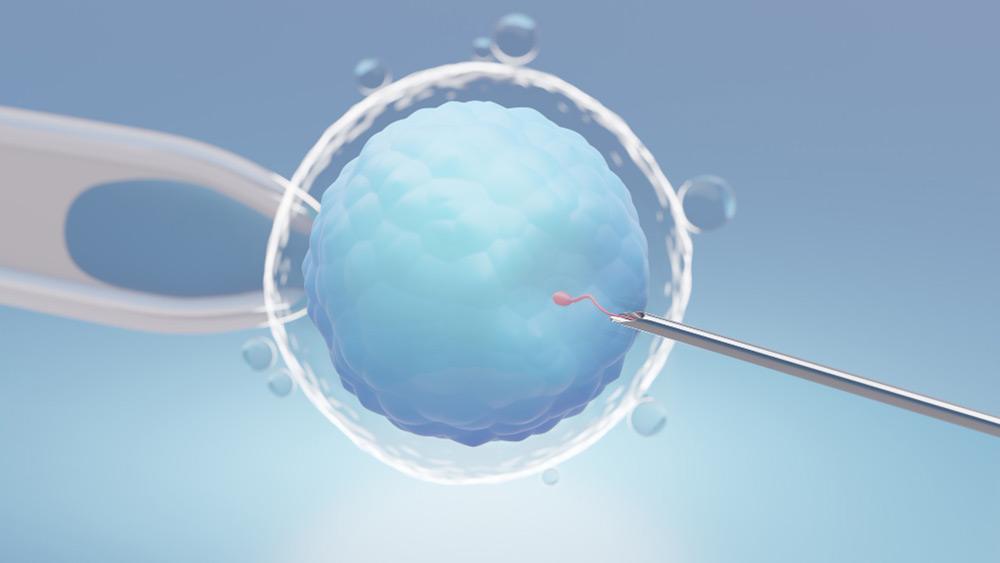
Egg retrieval, or oocyte pickup, is the process of retrieving mature eggs from the ovaries after hormones have made them ready. It usually happens between the 10th and 14th days of the IVF cycle.
The procedure itself is short—typically 15 to 20 minutes.
And no, you are not fully “awake” during it.
Egg Retrieval Pain: What Do Patients Actually Feel?
Here’s the honest answer:
Most women feel little to no pain during egg retrieval.
Why? Because the procedure is performed under anesthesia or deep sedation.
During egg retrieval:
- You are asleep or deeply relaxed
- You don’t feel the needle
- You don’t feel the eggs being collected
Many patients wake up and say, “That’s it?”
So if you’re worried about egg retrieval pain during the procedure itself—this is the least painful part of IVF for most women.
What Type of Anesthesia Is Used?
Egg retrieval is usually done under:
- Short general anesthesia or IV sedation
- Administered by a trained anesthetist
- Fast-acting and short-lasting
This is not major surgery anesthesia. You won’t be intubated. You won’t be unconscious for hours. The goal is comfort, safety, and quick recovery.
You’ll typically wake up within 20 – 30 minutes after the procedure.
What About Pain After Egg Retrieval?
This is where most women feel some pain, but it’s usually mild to moderate.
After getting eggs, people often feel:
- Cramps in the lower abdomen that feel like menstruation discomfort
- Feeling bloated or heavy
- Mild soreness
This happens because stimulation makes the ovaries swell up for a short time.
The good news?
For most patients, discomfort improves within 24 – 48 hours.
Pain relief medications, rest, and hydration usually help a lot.
Recovery Timeline: What to Expect Day by Day
Day 0 (Procedure Day):
You may feel sleepy from anesthesia. Mild cramps or bloating are common. Rest is advised.
Day 1:
Most women feel better. Light discomfort may persist, but normal activities can usually resume.
Day 2–3:
Bloating settles. Pain typically resolves completely.
In rare cases especially when many eggs are retrieved recovery may take a bit longer. Your doctor will guide you closely if that’s the case.
Is IVF Painful Overall?
IVF has a lot of processes, such scans, injections, and surgeries, but the pain is usually bearable.
- Injections hurt a little, but not a lot.
- Anesthesia makes egg retrieval painless.
- Most of the time, the pain of recovery doesn't last long.
IVF can be emotionally draining. Most women say that it is uncomfortable at times, but not unbearable.
And that distinction matters.
When Should You Call Your Doctor?
While most recovery is smooth, contact your clinic if you experience:
- Severe or worsening pain
- Heavy bleeding
- Fever
- Severe abdominal swelling
These are uncommon, but it’s always better to check early.
A Final Word of Reassurance
Fear around egg retrieval pain is one of the biggest reasons patients feel anxious before IVF. But in reality, this step is often the easiest—medically speaking.
IVF is a journey. And like any journey, it’s easier when you know what’s ahead.
It’s manageable, temporary, and far less scary than it sounds.
And you don’t go through it alone.