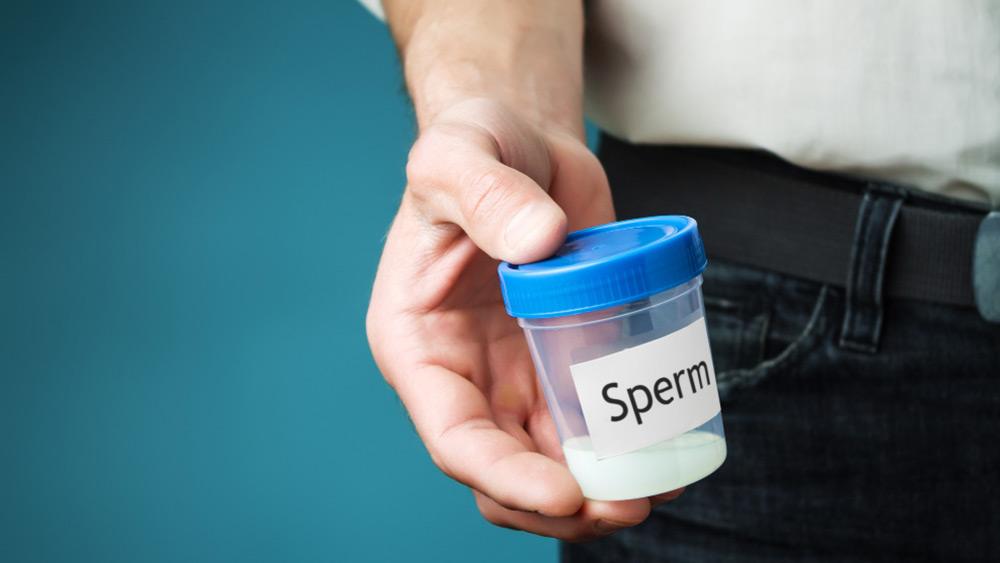
When couples have trouble getting pregnant, the first thing that comes to mind is that the lady may have a problem. But in truth, about half of all fertility problems are caused by male infertility, according to WHO guidelines. Low sperm count (oligospermia) and poor sperm motility are two of the most prevalent male-factor problems. These diseases make it hard to get pregnant naturally, but they don’t make it impossible.
Many couples can now get pregnant even if they have serious sperm problems, thanks to sophisticated reproductive methods like ICSI (Intracytoplasmic Sperm Injection). ICSI is one of the most reliable choices accessible today, whether you’re searching for a way to treat oligospermia or low sperm motility.
Low Sperm Count and Low Motility: What They Mean
Low Sperm Count (Oligospermia)
Oligospermia is when a guy has less sperm in his semen than normal. When there are fewer sperm, the chances of one reaching and fertilizing the egg naturally go down.
Some such causes are:
- Hormonal imbalances
- Varicocele
- Genetic factors
- Exposure to heat
- Lifestyle choices, smoking, and drinking
- Infections or stress
Finding and fixing the underlying problems is often the first step in treating oligospermia. Even with a low sperm count, ICSI can still help with the problem of fertilization.
Asthenospermia: Poor Sperm Motility
Motility is a term that describes how swiftly and well sperm travel. Even if the sperm count is normal, slow or feeble motility makes it challenging for the sperm to get to the egg.
Low motility may happen because of:
- Lack of nutrients
- Infections
- Drinking and smoking
Varicocele is when the veins around the testicle get bigger.
Age and long-term health problems
This is where low motility IVF, especially when used with ICSI, can be quite helpful.
What is ICSI, and why does it work so well?
ICSI, or intracytoplasmic sperm injection, is a cutting-edge lab method that is mostly used to help men who can’t get pregnant. ICSI is different from standard IVF in that it doesn’t let sperm fertilize an egg naturally in a dish. Instead, it injects a single healthy sperm directly into the egg.
This completely gets around the problems of having a low sperm count and weak motility.
Why ICSI Works So Well for Men Who Can't Get Pregnant
- Only one sperm is needed for each egg.
- Sperm movement is less crucial.
- It is nevertheless possible to assess and choose the best sperm forms that are not normal.
- Sperm can even be obtained surgically from the testicle or epididymis.
- Higher rates of fertilization than with regular IVF
ICSI is not only an option for couples with oligospermia or low motility; it is typically the best technique to address these conditions.
The ICSI Process
Steps 1. Initial Evaluation
Both spouses have to have fertility testing, such as hormone tests, semen analysis, and ultrasound. The idea is to figure out what the real problems are and make a plan that works for you.
Step 2. Stimulation of the ovaries (for the female partner)
To assist her ovaries make more than one egg, the lady takes fertility drugs. This makes it more likely that fertilization will happen.
Step 3. Collecting sperm
On the day of egg retrieval, sperm is collected. If the sperm count is very low, doctors may use surgery to get sperm by
- TESA
- PESA
- Micro-TESE
Step 4. Getting the eggs
This operation is done while the patient is sedated and doesn’t hurt. They take mature eggs to fertilize them.
Step 5. The ICSI Process
An embryologist chooses the best sperm in the lab and uses a small needle to inject it directly into each egg.
Step 6. The Growth of the Embryo
For 3 to 5 days, fertilized eggs grow in a controlled setting.
Step 7. Moving the Embryo
A healthy embryo is carefully put into the uterus. The process is short, typically not painful, and doesn’t need any anesthesia.
ICSI Success Rates for Men with Low Sperm Count and Movement
ICSI doesn’t ensure pregnancy, but it makes it far more likely for couples who have male-factor infertility. Some things that affect success are:
- Age of the woman
- Quality of eggs
- How bad the sperm problems are
- Health of the uterus
- Things that affect your lifestyle
Is ICSI the best treatment for your oligospermia?
If you or your partner has any of the following, ICSI is a good idea:
- A very low number of sperm
- Very bad motility
- Sperm that don't look normal
- Previous unsuccessful IVF attempts
- Obstructions that stop sperm from getting out
- Semen with a low number of viable sperm
It is also employed when every egg needs to be used to its fullest, like in older women or women with little ovarian reserve.
Enhancing Sperm Quality Concurrently with ICSI
ICSI skips problems with sperm, but making sperm healthier can still help. Doctors often say:
- Stop smoking and drink less alcohol.
- Taking care of stress
- Taking vitamins for antioxidants and fertility
- Eating meals high in zinc, vitamin C, and folate
- Exercise on a regular basis
- Not being around heat (such saunas, hot pools, or laptops on your lap)
- If you have varicocele, you should treat it.
These changes help make more sperm and improve overall reproductive health.
Conclusion
A low sperm count or poor motility can feel discouraging, but it doesn’t close the door on parenthood. With today’s advances in reproductive care, especially ICSI, many couples can conceive even when male infertility seems severe.
Whether you’re looking for oligospermia treatment, exploring low motility IVF, or simply trying to understand the best way forward, ICSI Treatment offers a genuine, practical chance at success.
If you and your partner have been trying to conceive without results, a conversation with a fertility specialist can help you understand whether ICSI is the right next step for you.