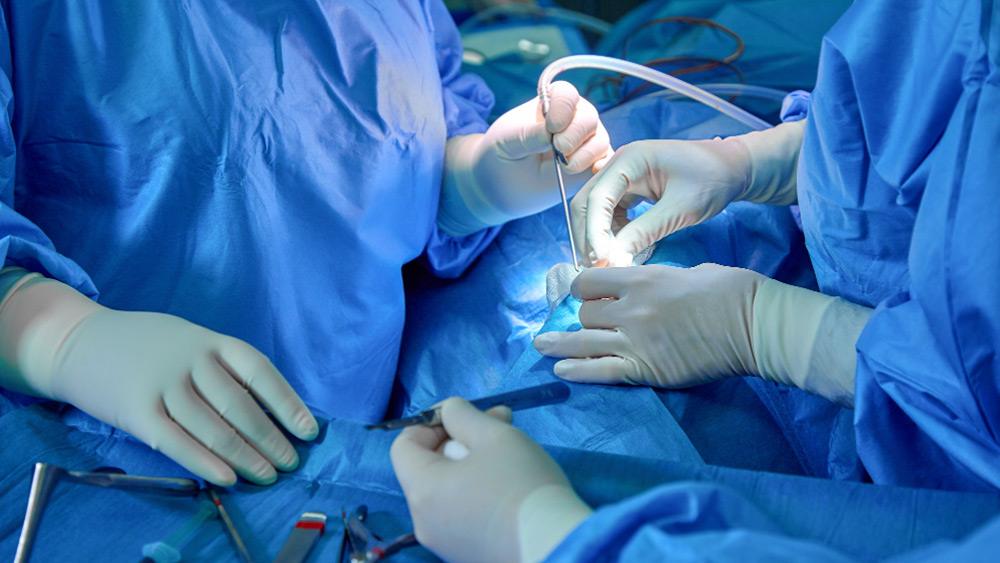
Surgery can be daunting, especially when you think about how big the cuts will be, how long it will take to heal, and how many days you’ll have to spend in the hospital. But new medical technology has drastically transformed that scenario.
Laparoscopic surgery is one of the most important new things in surgery today. It allows surgeons to address various illnesses with little cuts instead of massive ones.
If you’ve heard the terms “minimally invasive surgery” or “keyhole operation” and wanted to know what they mean, here is a straightforward explanation.
What Is Laparoscopic Surgery, Exactly?
Laparoscopic surgery is a sort of minimally invasive surgery in which the doctor makes very small cuts, usually between 0.5 and 1 cm, to get to the inside of the body. A narrow tube with a camera on the end, called a laparoscope, goes into one of these cuts. You can see a bigger picture of your inside organs on the screen of the camera.
The surgeon uses small surgical tools to do the surgery through the other small incisions.
This procedure is commonly called a keyhole operation since the cuts are so small.
How does laparoscopic surgery work?
Here's a brief explanation of how the process works:
The stomach is cut in little places.
A laparoscope, which is a camera, is put in to let the surgeon see better.
Gas (typically CO₂) is used to gently blow up the stomach, making room to work.
There are other small holes that surgical tools go through.
The surgeon looks at the monitor to get instructions on how to do the surgery.
After the procedure, the gas is released, the instruments are taken out, and the little incisions are closed.
Depending on the type of surgery, patients usually go home the same day or the next day.
Common Conditions That Laparoscopic Surgery Can Help With
Doctors often use laparoscopic surgery for:
Taking out the gallbladder
Taking out the appendix
Fixing a hernia
How to treat ovarian cysts
Surgery for endometriosis
Laparoscopic hysterectomy, or removing the uterus
Tests to find out what is causing stomach pain
This method can safely execute various surgeries that used to need big cuts.
Benefits of Laparoscopic or Minimally Invasive Surgery
There are many benefits of switching from traditional open surgery to laparoscopy:
1. Smaller cuts mean smaller scars
Because the cuts are so little, the scars are quite small and hard to see.
2. Less Pain After the Operation
Less pain and faster healing come from little wounds.
3. Stay in the hospital for less time
Most patients can go home sooner, usually within 24 hours.
4. A shorter time to heal
Compared to open surgery, you can get back to routine activities much sooner.
5. Less chance of getting an infection
Smaller cuts lower the risk of problems with the wound.
6. Better results for your looks
Over time, little scars blend in with the skin, which is especially helpful for younger patients.
When possible, minimally invasive surgery is the best choice because of these benefits.
Is it safe to have laparoscopic surgery?
Yes, laparoscopic surgery is regarded quite safe when done by a competent and experienced surgeon. Every year, millions of people throughout the world have laparoscopic surgeries that go quite well.
Not every instance, though, is a good fit for laparoscopy. Sometimes, because of problems inside the body or the way the disease works, the surgeon may suggest open surgery instead. Your doctor will tell you what is best for you.
What Should You Do to Get Ready for a Keyhole Surgery?
Getting ready typically means:
Basic testing of blood
Not eating for a few hours before surgery
Stopping some drugs as told to do so
A little chat with the anesthetist
Your medical staff will help you every step of the way, so you won’t feel overwhelmed.
What Will Happen After Surgery?
Most patients have:
A little soreness or swelling for a day or two
A speedy return to eating and walking
The little cuts heal faster
Visits after the first one to check on recovery
You’ll get easy-to-follow directions on how to relax, eat, and care for your wounds.
Conclusion
Laparoscopic surgery has changed the way many surgeries are done nowadays. Doctors and patients alike like this minimally invasive surgery procedure because it makes smaller cuts, causes less pain, heals faster, and is more comfortable overall.
Don’t worry if your doctor has suggested a keyhole surgery. It’s one of the safest and most effective ways to undertake surgery right now. And for a lot of problems, it works quite well with very little effect on your regular life.