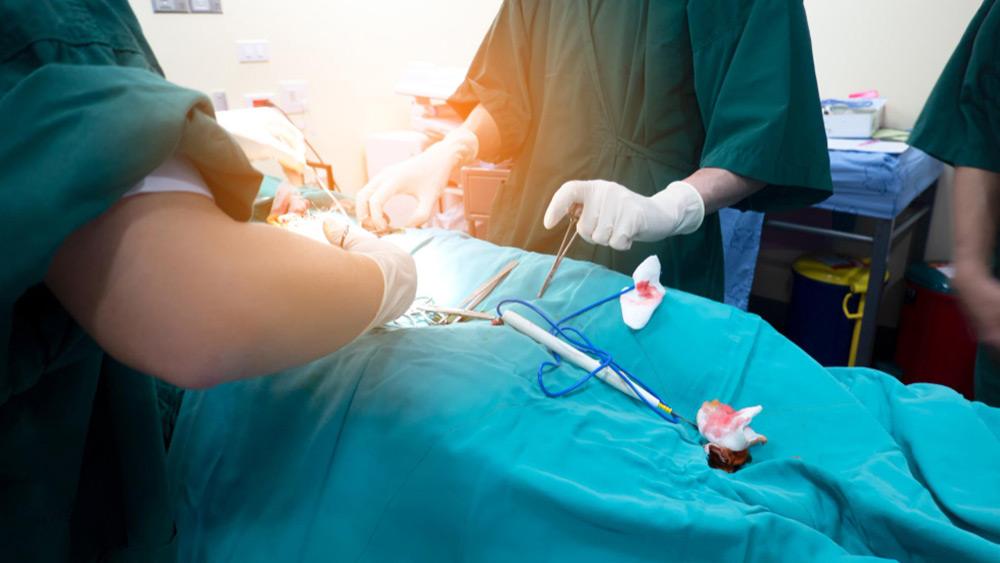
When people talk about fertility treatment, the first things that come to mind are usually drugs or IVF. But in a lot of cases, the underlying problem is deeper, in the uterus, the pelvis, or the fallopian tubes. This is where laparoscopic surgery is really important.
Doctors have been using minimally invasive surgery more and more over the years to find and cure reproductive problems. And for a good cause.
Let’s look at why laparoscopy is often suggested and how it can help with fertility.
What is laparoscopic surgery?
Laparoscopic surgery is a type of surgery that uses small cuts, a thin camera (laparoscope), and special tools to complete the work.It doesn’t need massive cuts or long hospital stays like normal open surgery does.
Laparoscopy helps with both of these things in fertility care:
- Learning what might be making it hard to get pregnant
- Dealing with things that make it hard to get pregnant naturally
Diagnosis and treatment often happen at the same time.
Why Surgery Is Sometimes Necessary for Problems with Getting Pregnant
Blood tests and scans don’t always find all reproductive issues.
For example:
- Endometriosis
- Adhesions in the pelvic area
- Blocked tubes in the fallopian tubes
- Fibroids or cysts in the ovaries
may make it harder to get pregnant without any obvious indicators.
Laparoscopic surgery lets surgeons see the reproductive organs up close and fix issues that might not be seen otherwise.
Why Doctors Prefer Laparoscopic Surgery
1. Accuracy with little harm
Surgeons can work on delicate reproductive structures with great accuracy because laparoscopy employs magnified images. This is very significant when the goal is to keep fertility.
2. Shorter time to heal
Minimally invasive surgery is better than open surgery because it:
- Less discomfort after surgery
- Stay in the hospital for less time
- Faster return to normal activity
Most people get back to their typical habits in a few days.
3. Lower Chance of Adhesions
Open procedures raise the risk of scar tissue forming, which can make it hard to get pregnant. Laparoscopic surgery lowers this risk by a lot, making it a safer choice for women who want to get pregnant.
4. Better Results for Fertility
Laparoscopy can make it more likely that a woman will get pregnant naturally or improve the success of IVF by fixing the normal shape of the pelvis, getting rid of obstructions, fibroids, or endometriosis.
In many cases, fertility becomes better on its own without the need for assisted reproduction right away.
Common Laparoscopy-Based Fertility Treatments
Laparoscopic surgery is a popular procedure that doctors utilize to:
- Get rid of endometriosis lesions
- Fix or unblock fallopian tubes that are obstructed or damaged
- Get rid of fibroids that are making implantation harder.
- Take care of ovarian cysts
- Fix pelvic adhesions
These actions make it easier to get pregnant.
Laparoscopy vs IVF: Not Always Either–Or
Many patients think that surgery is no longer helpful after IVF is recommended. That’s not always the case.
Laparoscopy can actually:
- Increase the chances of IVF working
- Cut down on the number of IVF cycles needed
- Help you choose the best way to get pregnant
Doctors often suggest laparoscopy before or between reproductive treatments, depending on what they find in each case.
Is laparoscopic surgery safe?
Laparoscopic surgery is thought to be very safe when done by skilled professionals. The dangers are usually lower than the benefits, especially when structural disorders impair fertility.
Your doctor will only suggest laparoscopy if it will really help your treatment strategy.
The Big Picture: Customized Fertility Care
Doctors choose laparoscopic surgery not only because of the technology, but also because of the strategy.
Fertility treatment works best when it is:
- Personalized
- Step by step
- Based on evidence
Instead of going straight to advanced therapies, fixing the conditions that are causing them can lead to better, more natural results.
Conclusion
Fertility is fragile. The procedure is also designed to help it.
As a type of minimally invasive surgery, laparoscopic surgery is now a popular alternative in modern fertility therapy. It gets to the bottom of the problem, protects reproductive health, and gives patients the courage to move on.
The simplest cuts can sometimes make the biggest influence.